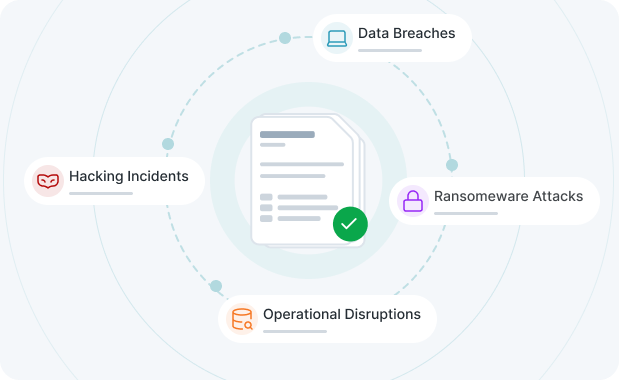
Protects the business directly from incidents such as data breaches, network failures, ransomware attacks, and operational disruptions, including any resulting loss of revenue.
Provides financial protection if the business is held liable following a cyber incident, including legal defense costs, settlements, and regulatory fines.
Supports post-incident recovery efforts, including restoring compromised data, assisting affected customers, and helping rebuild business reputation after a breach.

Many businesses are required to carry coverage by law, contracts, or lenders.
Store customer data online (credit cards, personal information, etc.)
Manage large volumes of customer records
Depend heavily on digital systems and online operations
Have higher revenue exposure tied to data or digital services
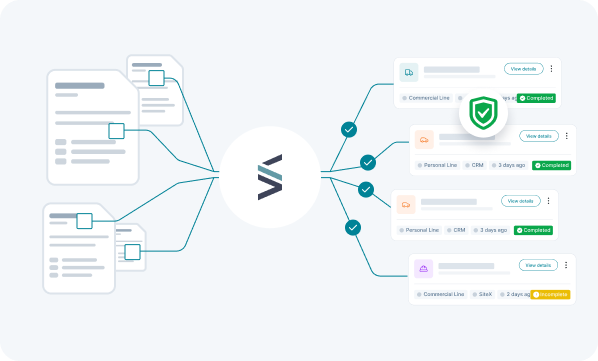
Single-entry submissions across multiple carriers
Real-time validation against carrier rules
Reduced manual errors and rework
Faster quote turnaround and improved bind rates
By streamlining the process, agencies can focus less on administration and more on closing business.